
Dominating local search queries to capture high-intent emergency home repairs. Get exclusive, real-time garage door repair calls today.
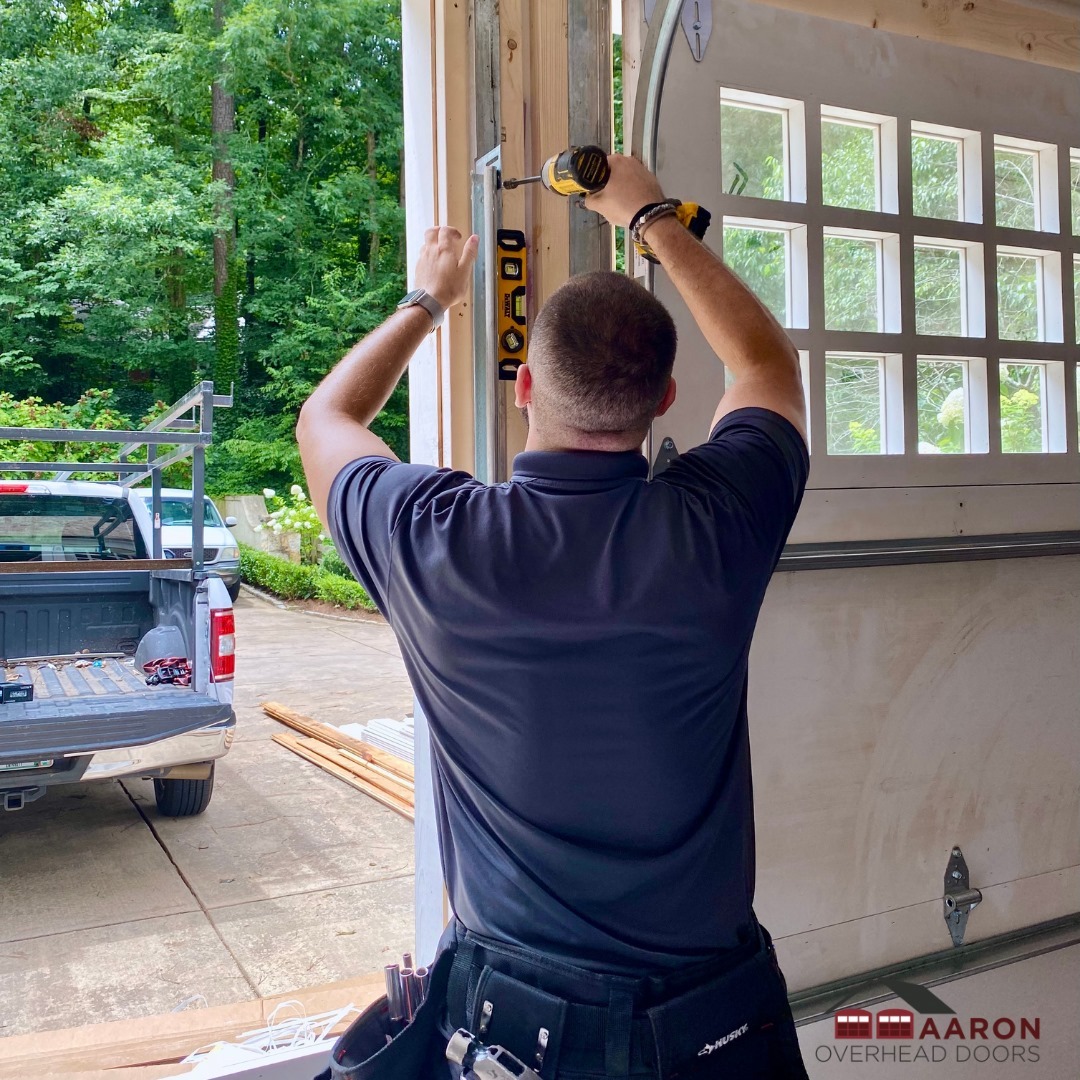
Obstacles keeping your technicians idle when emergency repair requests happen.
Buying form leads that are sent to 5 other garage door competitors at the exact same time.
Failing to rank in the Google 3-Pack when local homeowners search for emergency spring repairs.
Paying for generic clicks from DIY searchers instead of direct inbound customer phone calls.
Targeting high-intent services that produce maximum revenue per technician dispatch.
Capturing homeowners with broken torsion springs requiring immediate, high-margin fixes.
Generating high-ticket installation jobs ranging from $1,200 to $4,500+ per property.
Inbound phone inquiries from customers needing immediate safety hazard solutions.
Combining Map Pack authority with direct pay per call systems for consistent call flow.
Optimizing your Google Business Profile to secure top 3 rankings for local garage door terms.
Pay only for qualified inbound phone calls. Zero money wasted on unverified web form fills.
Mobile-optimized designs engineered specifically to drive calls from emergency searchers.
Real performance and revenue growth for local home service technicians.

Partner achieved 3.5X increase in exclusive emergency repair calls within 45 days.
RankNest approaches garage door repair leads with practical improvements that support customers and help search engines understand the page. The right plan depends on your services, market, current website, and business capacity.
Garage door searches may involve a stuck door, broken spring, opener issue, or planned replacement. Helpful pages should explain which jobs are offered, the service area, and how customers can request help safely.
Keep the Google Business Profile accurate and connect it to a relevant garage door page. Include clear service descriptions, real project images, customer review responses, and contact details that work on mobile devices.
Prominent tap-to-call links, readable service information, operating hours, and a short contact form reduce friction. Businesses should answer promptly and clearly explain dispatch fees or diagnostic charges before a visit.
Call values and job revenue depend on the service, market, qualification rules, and conversion rate. Treat per-call figures as estimates unless supported by campaign data, and assess cost against booked and completed work rather than call volume alone.
Searches may relate to broken springs, door off track, opener repair, maintenance, or replacement, depending on the services offered.
No. A per-call value depends on the market, call qualification, job type, and agreement; it should not be treated as guaranteed revenue.
Accurate profile details, useful service pages, authentic reviews, mobile-friendly contact options, and consistent business information can help.
Use the RankNest contact or free audit form and include your website, target locations, and main services.
Partner with RankNest today and receive exclusive high-ticket inbound phone calls.
Get Free AuditBefore making changes, we recommend documenting the current page title, description, index status, primary query, and conversion action. This creates a practical baseline and makes it easier to distinguish implemented work from later performance changes. Search performance should be reviewed over comparable periods because seasonality, competition, and changes in demand can affect results.
Content should be written for the person who needs the service, not simply to repeat a keyword. Explain which problems the business solves, where it operates, what happens after a customer calls, and how the service can be requested. Add proof only when it is real and verifiable, and keep service claims aligned with the business’s actual capabilities.
Internal links should use descriptive anchor text and connect visitors to the next relevant step. A service page can link to related services, a niche page, and the contact or audit form. Avoid adding links that do not help the visitor, and check that every important page can be reached through ordinary navigation rather than relying only on a sitemap.
Images should be relevant, compressed, and sized appropriately for the page. Write alt text that describes meaningful image content for users who cannot see it; decorative images should use empty alt text. Do not stuff alt attributes with repeated keywords. Where practical, use modern image formats and ensure the page remains usable on mobile connections.
After publishing, validate the page in a browser and check for broken links, missing assets, duplicate titles, incorrect canonicals, and structured-data errors. Submit the sitemap in Google Search Console if the site is verified, then monitor indexing and search performance. These steps support discoverability but do not guarantee a particular position or timeline.