
Dominate local search in your city. Our specialized gmb optimization service puts your business in front of high-intent local homeowners calling for immediate service.
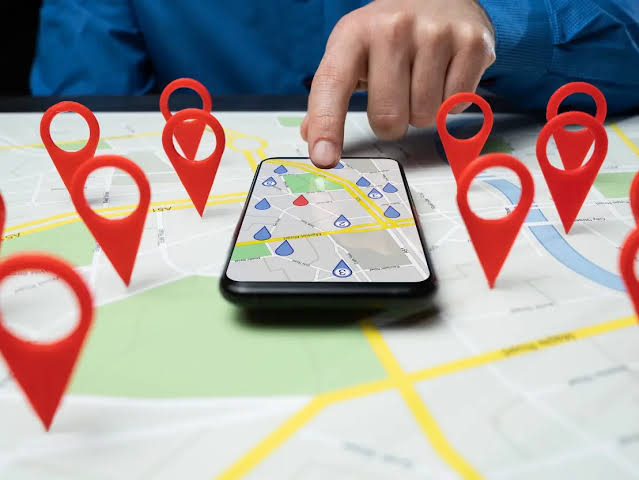
Over 70% of local service clicks go directly to the Google Maps 3-Pack. If your profile isn't ranking in the top 3, you are handing calls directly to competitors.
Mobile users click the 'Call' button directly from Google Maps without even visiting a website.
Customers trust Google 3-Pack businesses far more than standard paid search ads or organic results.
Local Map pack searches have immediate purchase intent, yielding the highest conversion rate in digital marketing.
A proven, step-by-step strategy to boost your Google Business Profile authority and local geo-grid coverage.
Publishing localized offer posts and updates containing primary keywords to keep your profile active in Google's eyes.
Implementing automated feedback funnels to collect authentic 5-star customer reviews with target service keywords.
Building 100+ hyper-local and trade-specific citations to establish unshakeable NAP (Name, Address, Phone) consistency.
We track your exact Google Maps rankings mile-by-mile across your city, ensuring your business ranks in the top 3 spots wherever local homeowners search.
By constantly uploading geo-tagged job photos, responding to customer Q&As, and optimizing categories, we create high engagement signals that Google loves.
RankNest approaches gmb optimization service with practical improvements that support customers and help search engines understand the page. The right plan depends on your services, market, current website, and business capacity.
We review the business name, primary and secondary categories, services, service areas, opening hours, phone number, website, and business description. The information should match the real business and its website. We do not recommend adding keywords to the business name unless they are genuinely part of the real-world name.
A strong profile works alongside a helpful website. We connect the profile to the most relevant service page, make sure the page explains the service and locations served, and use clear contact options. Location pages should be genuinely useful and should not be thin copies with only city names changed.
We help businesses create a consistent process for requesting honest reviews from real customers and responding professionally to feedback. Reviews must not be bought, fabricated, or selectively gated. Photos should represent actual work, staff, vehicles, or premises and should be uploaded with descriptive accessible alt text on the website where relevant.
We establish a baseline using available profile insights, Search Console, website analytics, and call tracking where configured. We review visibility, website visits, direction requests, and qualified calls together rather than promising a fixed map position. Local rankings can vary by searcher location, competition, and relevance.
GMB optimization means improving a business’s Google Business Profile and supporting local website signals so customers can find accurate information and contact the business.
No. Google Maps positions depend on relevance, distance, prominence, competition, and other factors. We work to improve the signals within our control and report progress transparently.
The campaign can include review-request guidance and relevant citation checks. Reviews must come from real customers, and business information should be accurate and consistent.
We review available profile insights, Search Console data, website activity, and qualified calls. Tracking availability depends on the tools and access configured for the business.
Claim your top 3 position on Google Business Profile today.
Get Free AuditBefore making changes, we recommend documenting the current page title, description, index status, primary query, and conversion action. This creates a practical baseline and makes it easier to distinguish implemented work from later performance changes. Search performance should be reviewed over comparable periods because seasonality, competition, and changes in demand can affect results.
Content should be written for the person who needs the service, not simply to repeat a keyword. Explain which problems the business solves, where it operates, what happens after a customer calls, and how the service can be requested. Add proof only when it is real and verifiable, and keep service claims aligned with the business’s actual capabilities.
Internal links should use descriptive anchor text and connect visitors to the next relevant step. A service page can link to related services, a niche page, and the contact or audit form. Avoid adding links that do not help the visitor, and check that every important page can be reached through ordinary navigation rather than relying only on a sitemap.
Images should be relevant, compressed, and sized appropriately for the page. Write alt text that describes meaningful image content for users who cannot see it; decorative images should use empty alt text. Do not stuff alt attributes with repeated keywords. Where practical, use modern image formats and ensure the page remains usable on mobile connections.
After publishing, validate the page in a browser and check for broken links, missing assets, duplicate titles, incorrect canonicals, and structured-data errors. Submit the sitemap in Google Search Console if the site is verified, then monitor indexing and search performance. These steps support discoverability but do not guarantee a particular position or timeline.